
DAY AFTER THE RAINS.
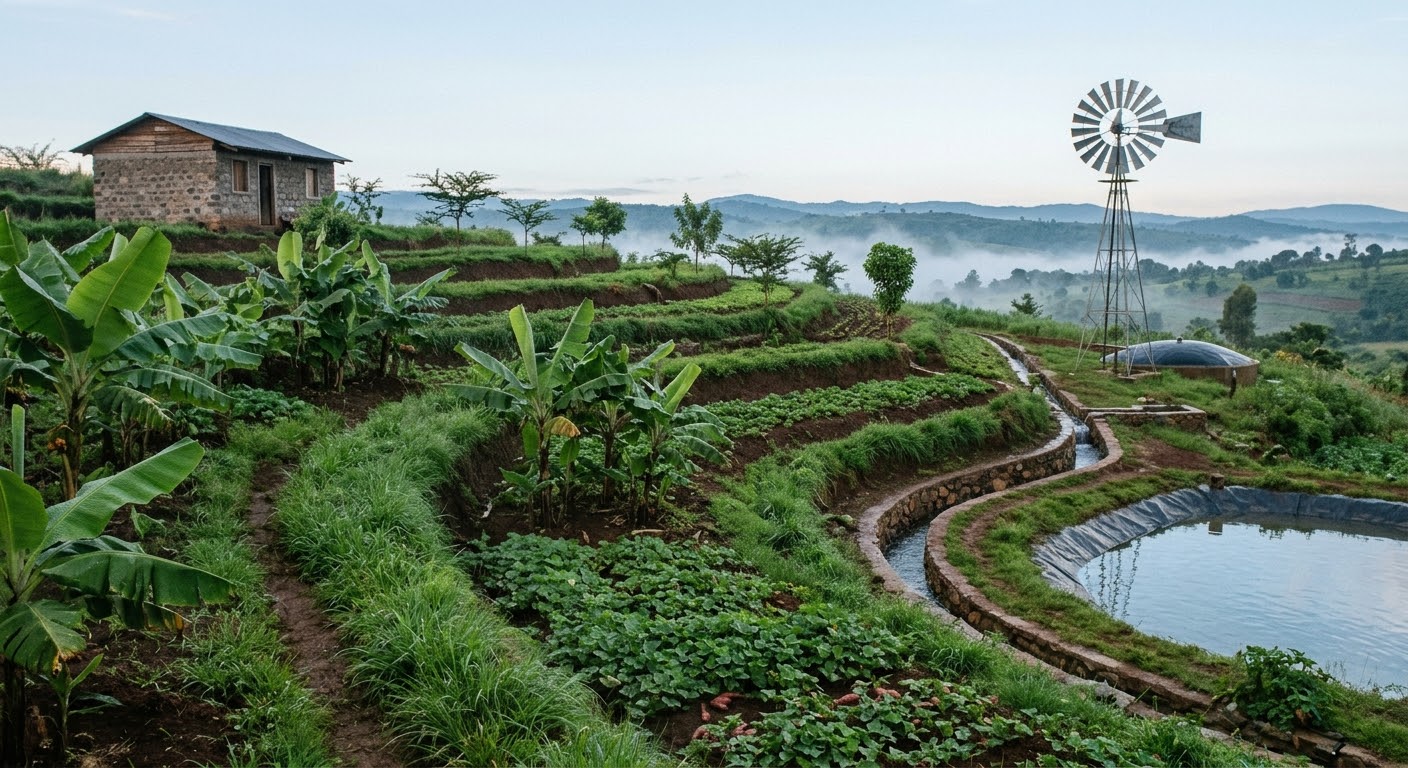
The rain stops just before dawn, the air is cool and heavy with the smell of wet earth and crushed lemon grass. Wanjiru steps out of their house and listens.
No roar of water tearing down the hillside, no panicked shouting about mudslides. Only the steady drip of the eaves, and the soft creak of the windmill turning slowly above the biogas digester.
The terraces held.
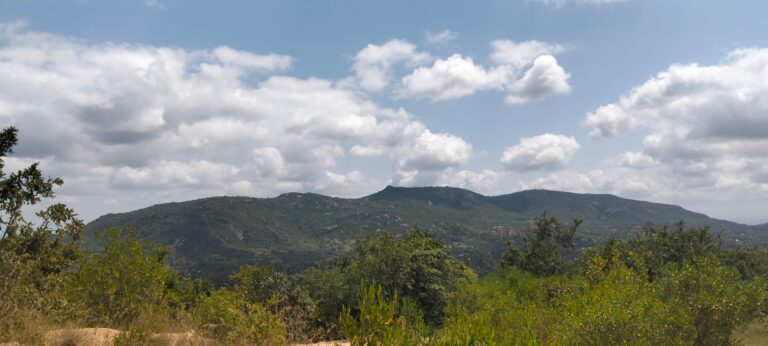
Areas that were once bare, gullied slopes once sat, there are now lush steps of green . Banana trees anchored by vetiver grass, sweet potatoes spread across the lower beds, young indigenous trees dotted along the edges like sentinels. The water that ran off the hill was clear, slowed by contours, directed into the lined pond that shimmered at the bottom of them.
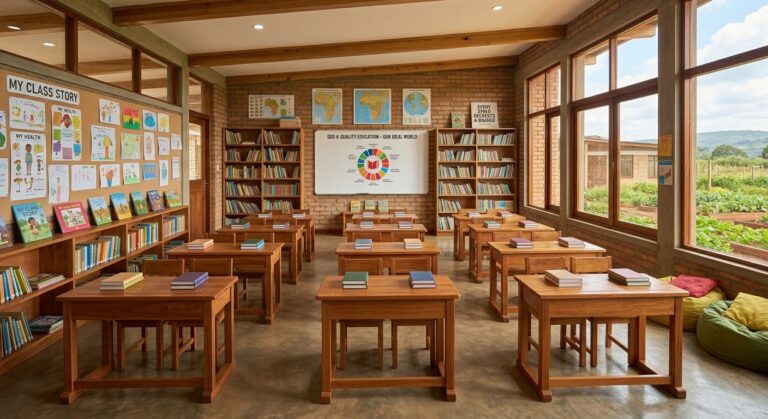
“The channel didn’t break.” Wanjiru mumbles as she is walking down to inspect the field. During the last heavy rains , some neighbours had lost a part of their maize harvest , but no one lost their land. By the time the sun burns off the mist, the village is already moving. Children in waterproof boots splashed through shallow puddles on their way to school, their uniforms clean, their bagpacks light. The solar panels on the irrigation pump functional, unlike the old diesel generator that used to stall every rainy season.
Outside the church, a noticeboard listing the week’s community activities;
• Monday: Tree nursery shift.
• Wednesday: Carbon-credit data collection volunteers needed.
• Friday: Slope-maintenance and terracing.
Everything is better. No one has to strip the hills or cut down trees to survive because the rain was too much or too little. There were years when ‘Net Zero’ was just a phrase on the radio, something leaders said in far-away conference rooms while hillsides collapsed, and heavy rains felt like a test most were destined to fail.
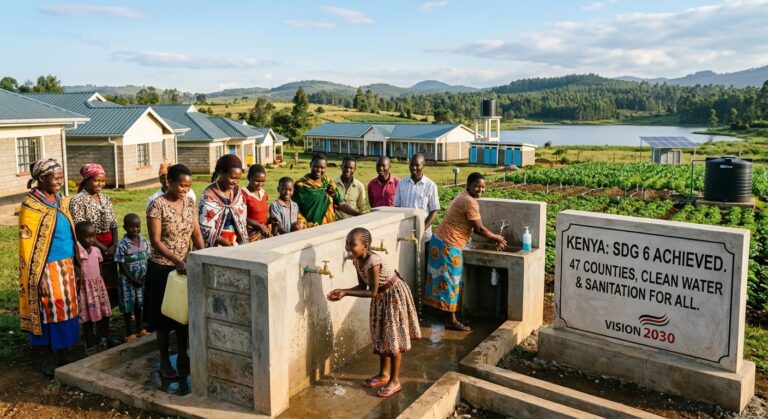
Today, that phrase means something tangible. It means the biogas digester is turning manure into cooking fuel. It means children can study at night under a LED lamp instead of coughing over charcoal stove. It means people do not have to panic during harsh weather. It means youth climate forums held in Nairobi, where young people have conversations and proudly share how they restored forests , agroforestry plots, conservation zones, renewable energy sites, the terraces, and how they are finally getting paid to keep trees standing.
The once raw and bleeding earth, stands green and quiet under a sky that no longer feels like a threat. This is how a day after the rains is supposed to feel like.
BUT THIS IS NOT TODAY’S REALITY. WE ARE NOT EVEN CLOSE TO GETTING THERE.
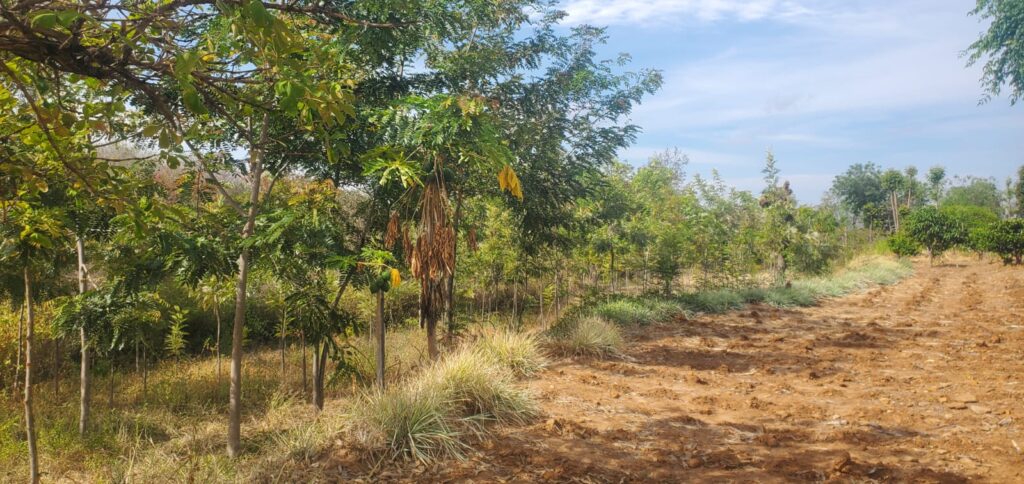
Wanjiru stands at her doorway with a knot in her stomach. El-Niño rains are approaching and she is unsure if the crops in her farm will survive. Her neighbours are more worried that their houses will go down as soon as the rains start, and they have no other option. Some schools will remain open , others will be forced to close, socio-economic activities will come to a standstill in some parts of the country due to flooding. What next? Everyone wants to know.
Wanjiru’s future does not have to remain a dream, it can be your tomorrow. Making it a reality requires our actions today:
1. Grounded Storytelling: Framing Net Zero not as a distant 2050 target, but as immediate daily security, protecting food, land, and lives.
2. Equitable Climate Finance: Pushing for direct local benefit-sharing so climate funds flow directly to the rural communities maintaining carbon sinks, rather than getting lost in administrative layers.
3. Bridging the Skills Gap: Connecting technical tools, such as spatial mapping, digital monitoring, and strategic communications to grassroots communities so they can track, manage, and defend their climate gains.
Every small effort builds the bridge between the threat of today’s rains and the safety of tomorrow’s horizon.
Inspired by ushago reality.
Wow.. this is really good
She did it againnnnnn. My literary maestro