Why Net Zero Starts in the Countryside.
Net Zero is not merely a global deadline for 2050; it is a vital framework for local stability, topsoil protection, disaster prevention, and community resilience.
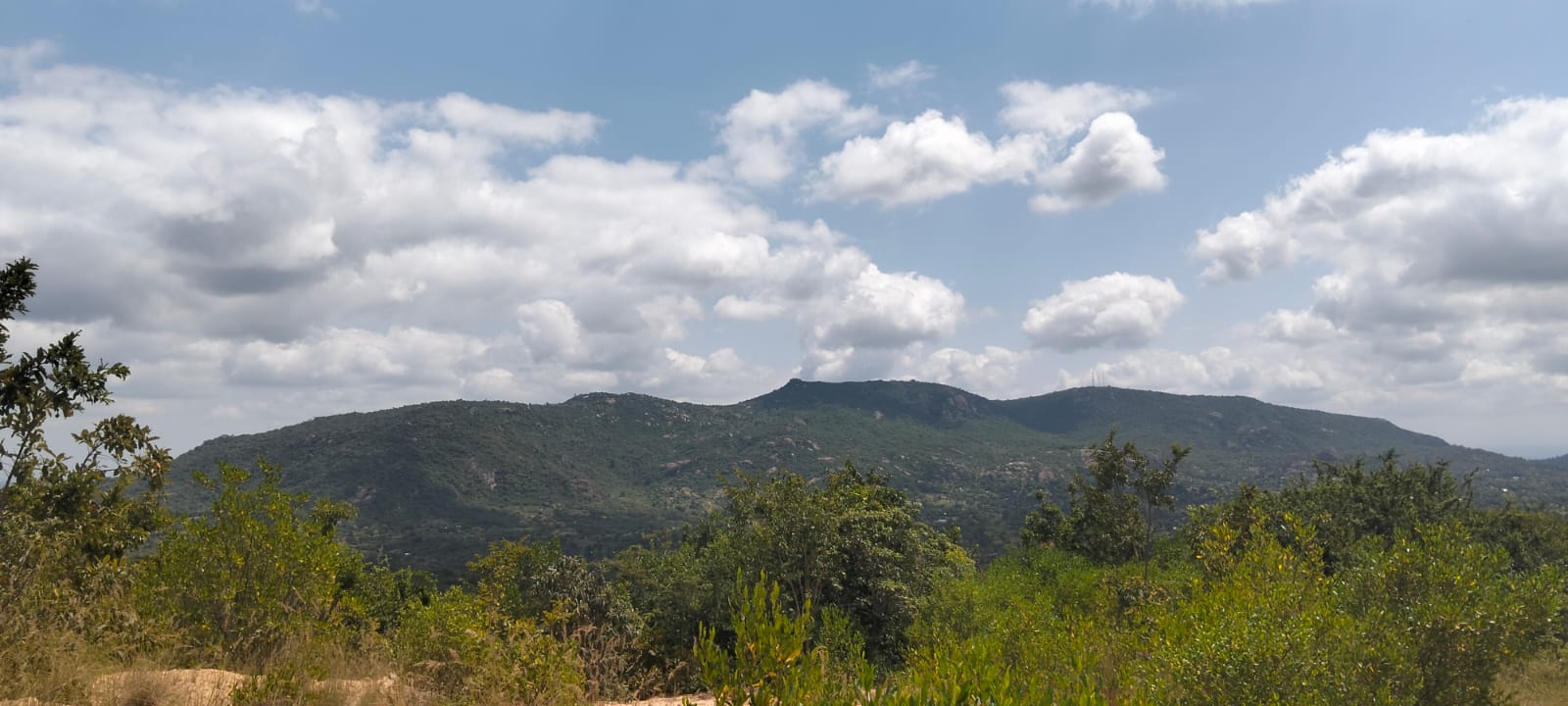
In most rural areas , human activity driven by sheer survival has presented a major challenge to combating environmental degradation. Deforestation, farming along riverbanks or steep hillsides, topsoil erosion, and quarrying have left the landscape vulnerable. When heavy rains hit, floods strip away the remaining soil and trigger immediate risks of loose rocks tumbling down stripped hillsides.
Local communities are not at fault. These activities represent their only means of survival, livelihoods passed down through generations. Beyond immediate economic pressures, rural communities simply lack access to the resources and technology required to protect themselves against climate shocks.
Top-down climate messaging has consistently failed to resonate on the ground. Expecting communities to meet abstract targets set in distant conference rooms is unrealistic. While international frameworks like the Paris Agreement set crucial benchmarks, such as limiting global warming to 1.5 degrees Celsius above pre-industrial levels, these goals remain abstract without local context.
At its core, Net Zero means balancing the carbon released into the atmosphere with the carbon removed. Healthy trees and forests act as natural carbon sinks and water sponges. When hillsides are deforested and steep slopes are tilled without conservation measures, the land loses its ability to absorb both carbon and rainfall. The result is a double crisis: reduced carbon storage globally, and disastrous soil erosion and rockslides locally.
Planting trees and restoring land cannot just be about meeting global carbon metrics; it must serve as an immediate shield against crop loss, landslides, and destroyed homes. A fundamental conflict arises when vulnerable people are forced to choose between long-term environmental protection and immediate daily survival. Without viable economic alternatives, adaptation remains out of reach, leaving many rural communities feeling abandoned by mainstream climate rhetoric.
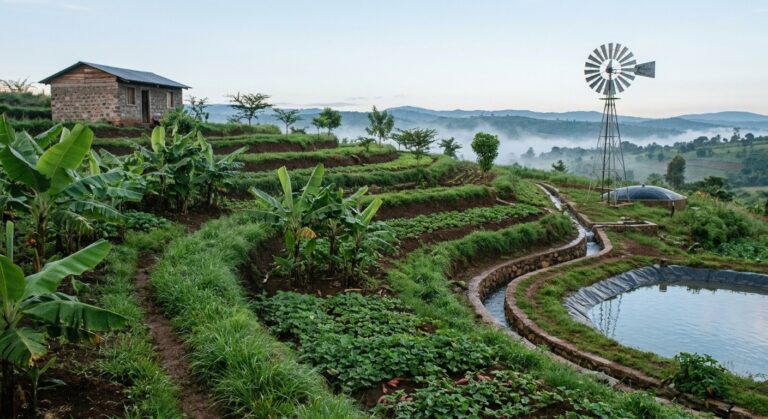
Achieving true progress requires local partnerships that deliver practical, climate-smart education. Communities need solutions that anchor topsoil while simultaneously generating income, such as agroforestry, sustainable slope management, and community-led reforestation.
Net Zero becomes achievable only when people see themselves, and their economic well-being in the solution. Effective climate action requires bridge-builders and skilled communicators who can seamlessly connect global funding and scientific research with grassroots realities.